
High Emotional Capacity vs. Low Emotional Capacity: How to Tell the Difference in Yourself and Others
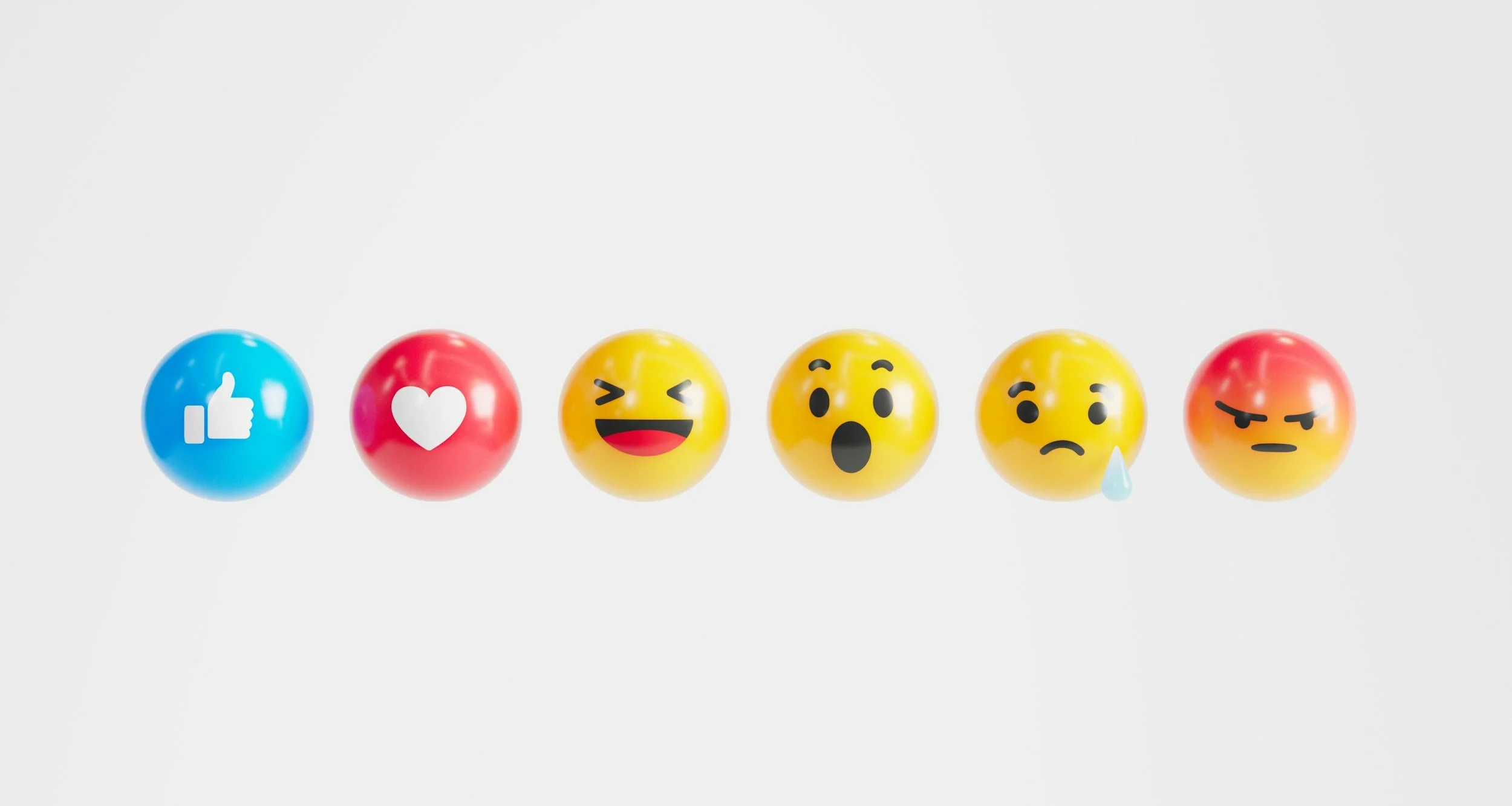
A visual reminder that emotions exist on a spectrum and capacity determines how we respond.
The phrase emotional capacity has grown to be one of the biggest themes in my life for 2025.
Over the past year, I made a conscious decision to focus less on outcomes and more on the quality of the relationships I was building and sustaining. Whether platonic, romantic, or familial relationships, I realized a common thread. What determined whether a relationship could truly work wasn’t the absence of conflict or drama, but rather the emotional capacity of the people involved.
I used to think emotional connection was based on intensity; proximity, deep conversations, and who seemed to care the most. But lately, I’ve learned that someone can possess all of those qualities and still lack the capacity required to sustain a meaningful bond. A connection is solidified not by intensity, but by the ability to stay present, communicate honestly, and sit with real emotions, especially the uncomfortable ones. When emotional capacity is lacking, the space within a relationship often fills with silence, assumptions, miscommunication, and eventually, a break in trust.
The challenging part is that emotional capacity is not immediately visible. It reveals itself slowly, through moments of discomfort, conflict, and vulnerability.
What is Emotional Capacity, Really?
Emotional capacity is the ability to recognize, process, and tolerate the wide ranging emotions of yourself and others, without becoming overwhelmed, shutting down, or acting impulsively.
It’s what allows relationships to deepen over time. And like a muscle, it can be strengthened with intention and practice.
From a mind-body perspective, emotional capacity reflects the nervous system’s ability to regulate itself before defaulting to fight, flight, freeze, or fawn. When emotional capacity is present, we are able to stay connected during interpersonal stress rather than becoming avoidant, defensive, or numb.
When I reflect on some of the friendships and relationships that have ended in my life, it’s rarely been about the issue itself. More often, it’s been about ruptures in communication, such as difficulty addressing hard conversations, emotional avoidance, or prolonged silence that eventually gave way to assumptions and disconnection.
What Does Low Emotional Capacity Look Like?
Emotional capacity exists on a spectrum. You may recognize some of these traits in your current self, a past version of yourself, or in a relationship dynamic you have experienced.
Behavioral Signs
Avoiding difficult conversations
Becoming defensive when confronted
Shutting down when emotions rise
Asking others to “tone down” their needs
Expressing intimacy primarily through physical connection
Inconsistency; warm one moment, distant the next
Withdrawing or disappearing when things become emotionally charged
Difficulty speaking honestly about past behaviors
Internal Signs
Feeling overwhelmed by emotions
Confusing emotional intensity with danger
Feeling attacked when someone expresses a need
Struggling to name or articulate feelings
Using distractions to cope (sex, work, substances, constant busyness)
What It Feels Like to Be With Someone Who Has Low Capacity
Feeling lonely even in their presence
Becoming the “emotionally responsible adult”
Shrinking or minimizing your needs
Frequently second-guessing yourself
What High Emotional Capacity Looks Like
On the opposite end of the spectrum, high emotional capacity feels grounded, expansive, and honest.
Behavioral signs:
Talking things through without emotional collapse
Remaining consistent, even during discomfort
Asking clarifying questions instead of making assumptions
Apologizing without spiraling into shame
The ability to hold multiple truths at once (“I care about you AND I need space”)
Following up after difficult conversations
Communicate expectations rather than applying pressure
Not weaponizing vulnerability or honesty
Internal Signs
Feeling emotions without abandoning yourself
Responding with self-awareness instead of self-defense
Staying grounded when others are upset
Knowing how to self-soothe
Taking responsibility without shame spirals
Understanding the difference between boundaries and punishment
The Experience of Being With Someone With High Capacity
You feel safe being honest
You feel seen without the need to overexplain
You don’t have to shrink to maintain peace
You can be soft without fear
You feel emotionally nourished, not drained
The Most Important Part: Capacity Can Grow
The most hopeful truth about emotional capacity is that it isn’t fixed.
It can be strengthened over time through intentional practices that increase our ability to pause, reflect, and respond rather than react. In many ways, emotional capacity can be measured by how well we tolerate difference in opinions, needs, emotions, and perspectives, without losing ourselves.
Practices that help expand emotional capacity include:
consistent movement, which increases emotional bandwidth by teaching us how to breath through discomfort and regulate the nervous system
therapy, which support emotional literacy
journaling, which helps clarify internal experience
mindfulness, which builds tolerance for discomfort and presence with emotions.
Capacity isn’t about perfect- it’s about willingness.
Reframing Emotional Needs
When you find yourself in a dynamic where someone can’t meet you emotionally, it doesn’t mean you’re asking for too much. It means they can only give from the level of their current capacity.
Capacity can grow but it’s not your responsibility to stretch someone who isn’t actively stretching themselves.
Sometimes the most emotionally mature choice is simply telling the truth about what you need and believing what someone shows you in response.